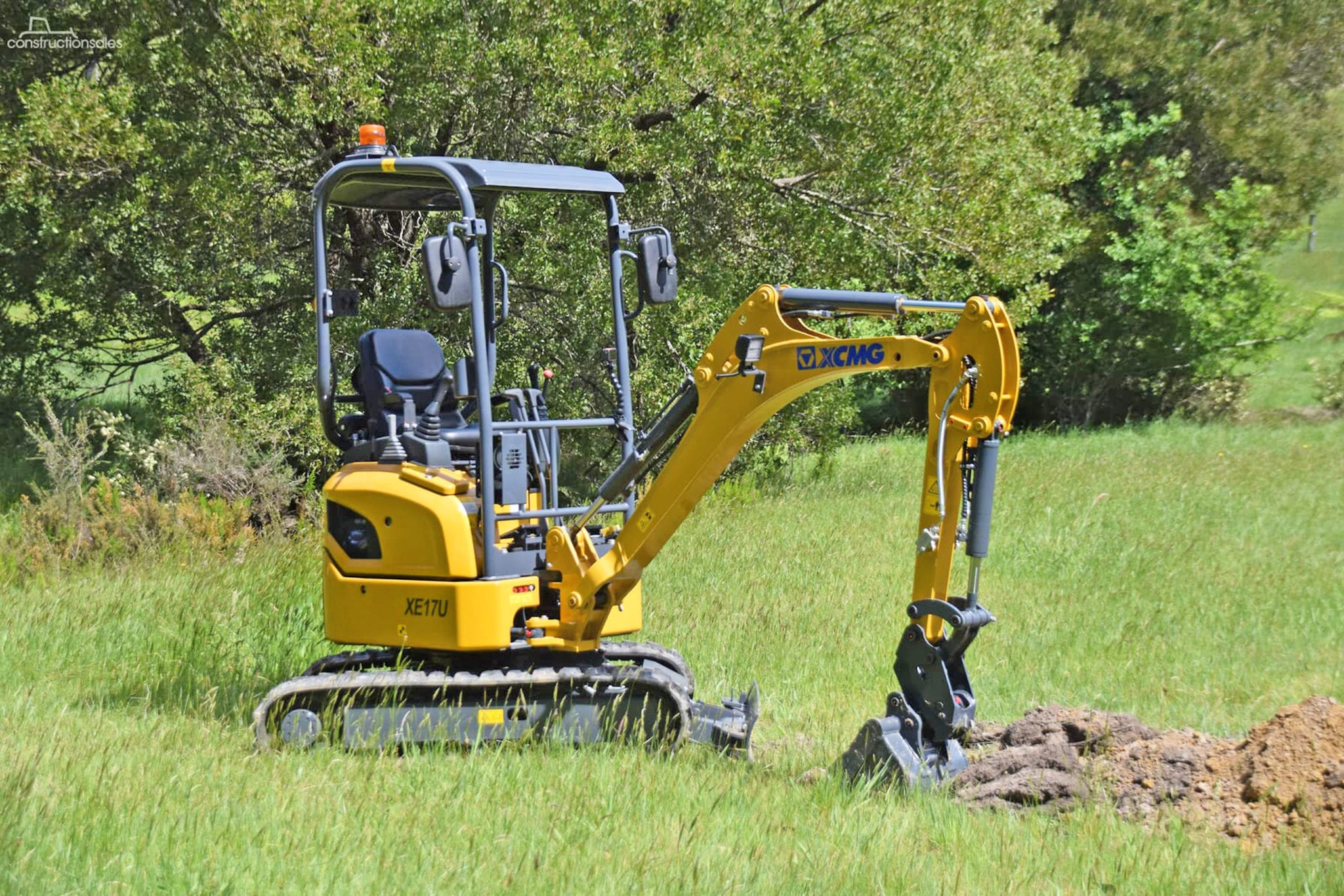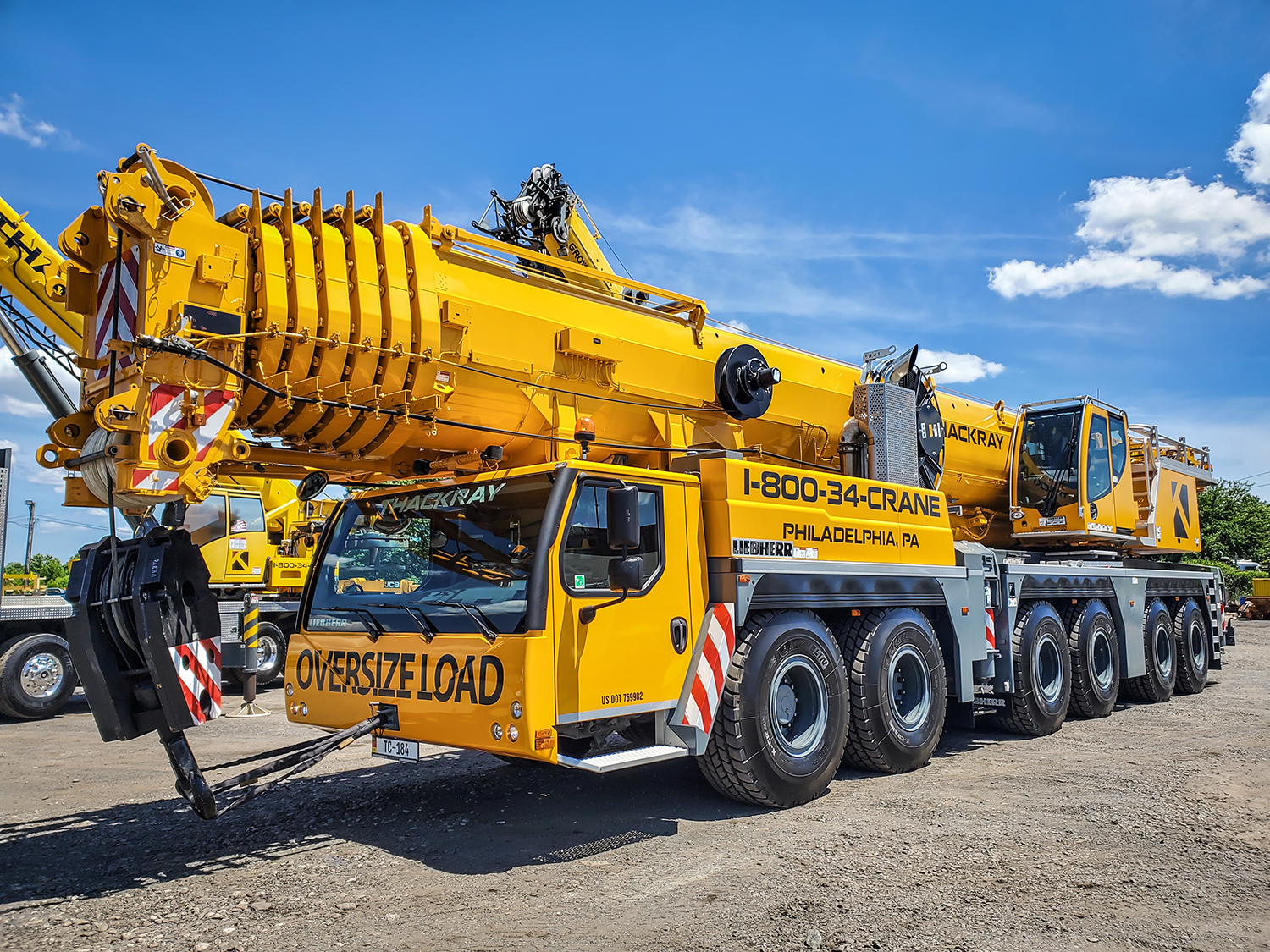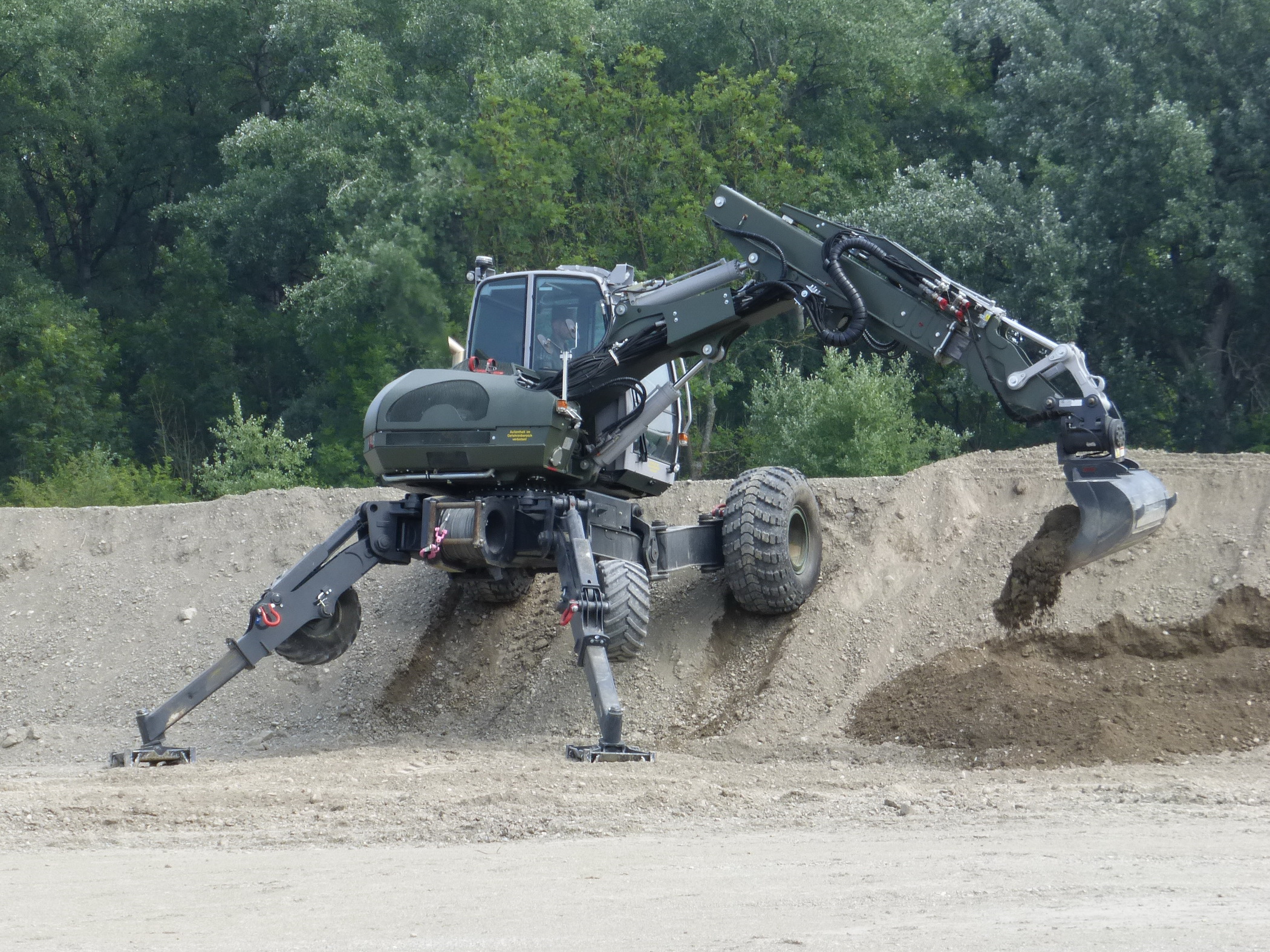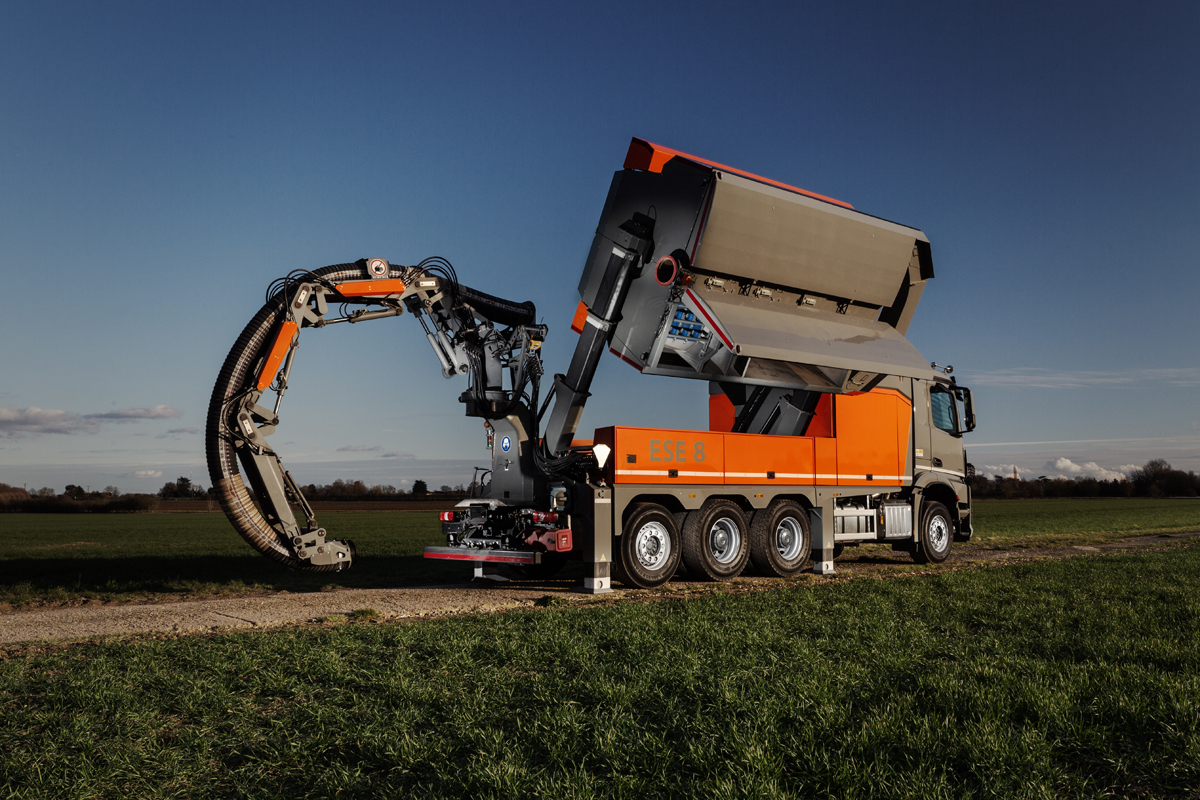
Welcome to the World of Heavy Machinery!
Step into a realm where power meets precision, and engineering marvels transform mammoth tasks into effortless feats. Heavy machinery encompasses an impressive array of robust equipment designed to tackle the most demanding challenges across construction, mining, agriculture, and infrastructure sectors.
These behemoths of industry are not just about brute strength—they’re a harmonious blend of cutting-edge technology and rugged durability. With advanced hydraulic systems, powerful engines, and resilient frames, they’re built to excel in the toughest environments, performing with unmatched efficiency and safety.
In today’s world, these machines are the backbone of progress, making large-scale operations faster, safer, and far more efficient. From lifting colossal loads to executing intricate tasks with pinpoint accuracy, heavy machinery is indispensable in driving the modern world forward.
Here, we dive deep into the intricate technical details of the most powerful machines on Earth and you'll find detailed breakdowns of machinery design, insightful guides, and the latest innovations shaping the future of heavy equipment.
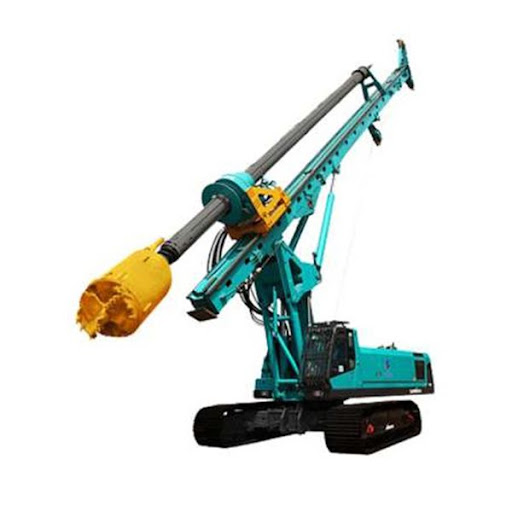
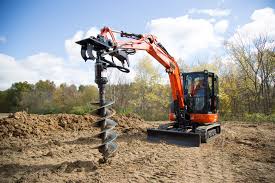
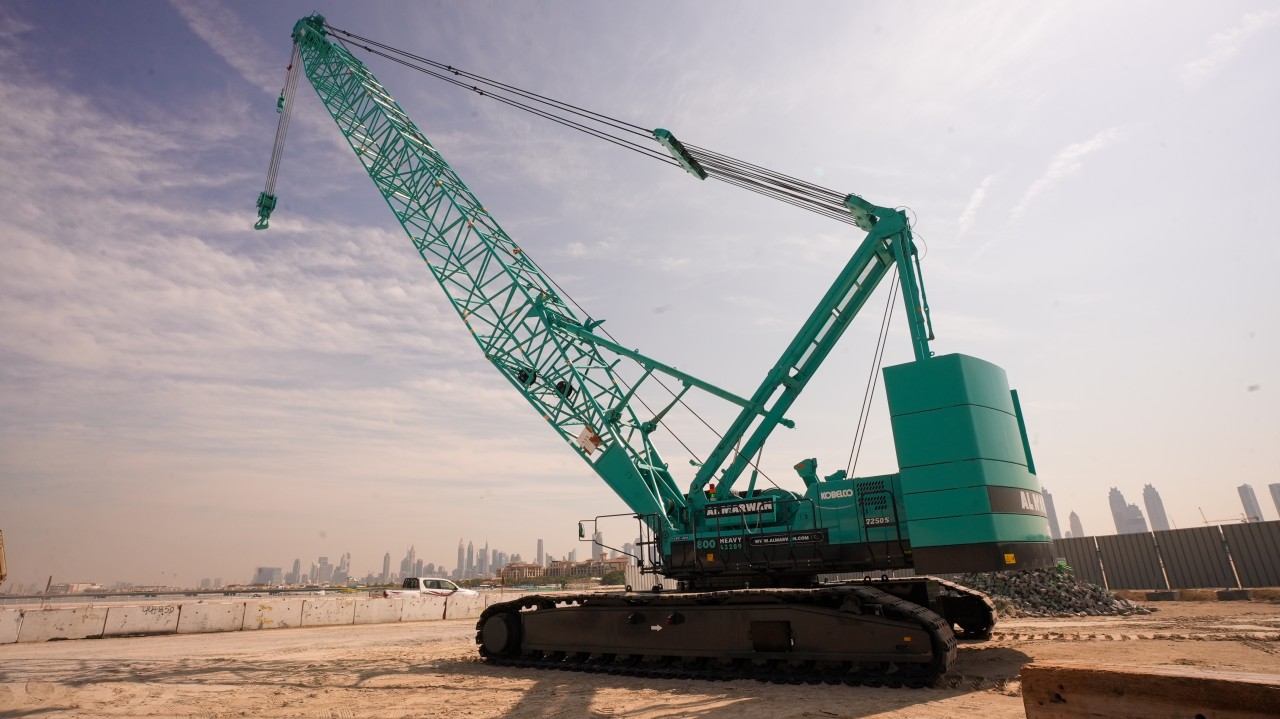
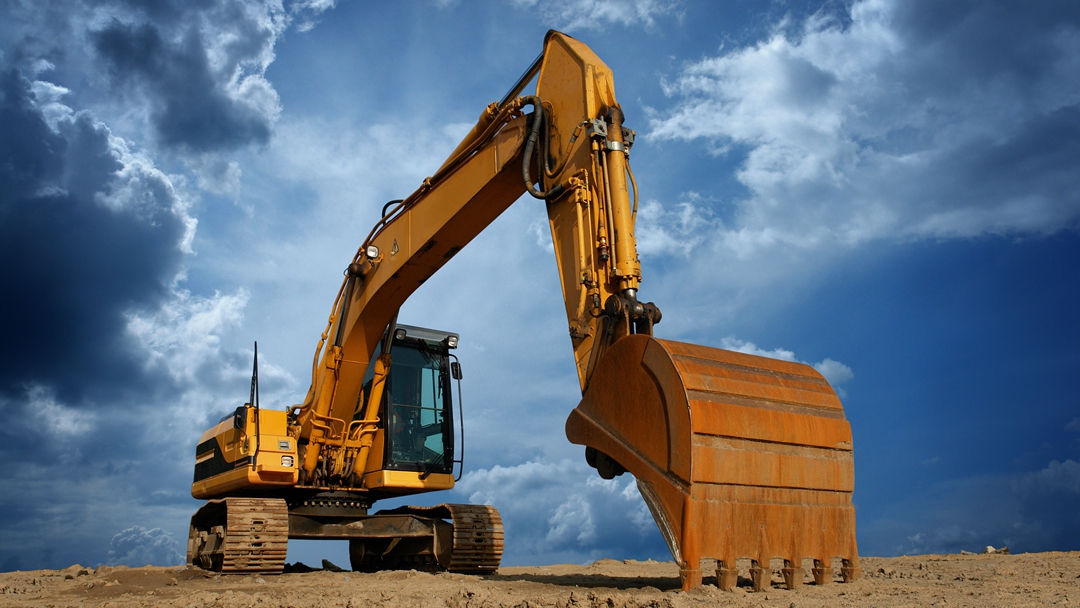
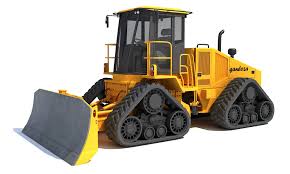
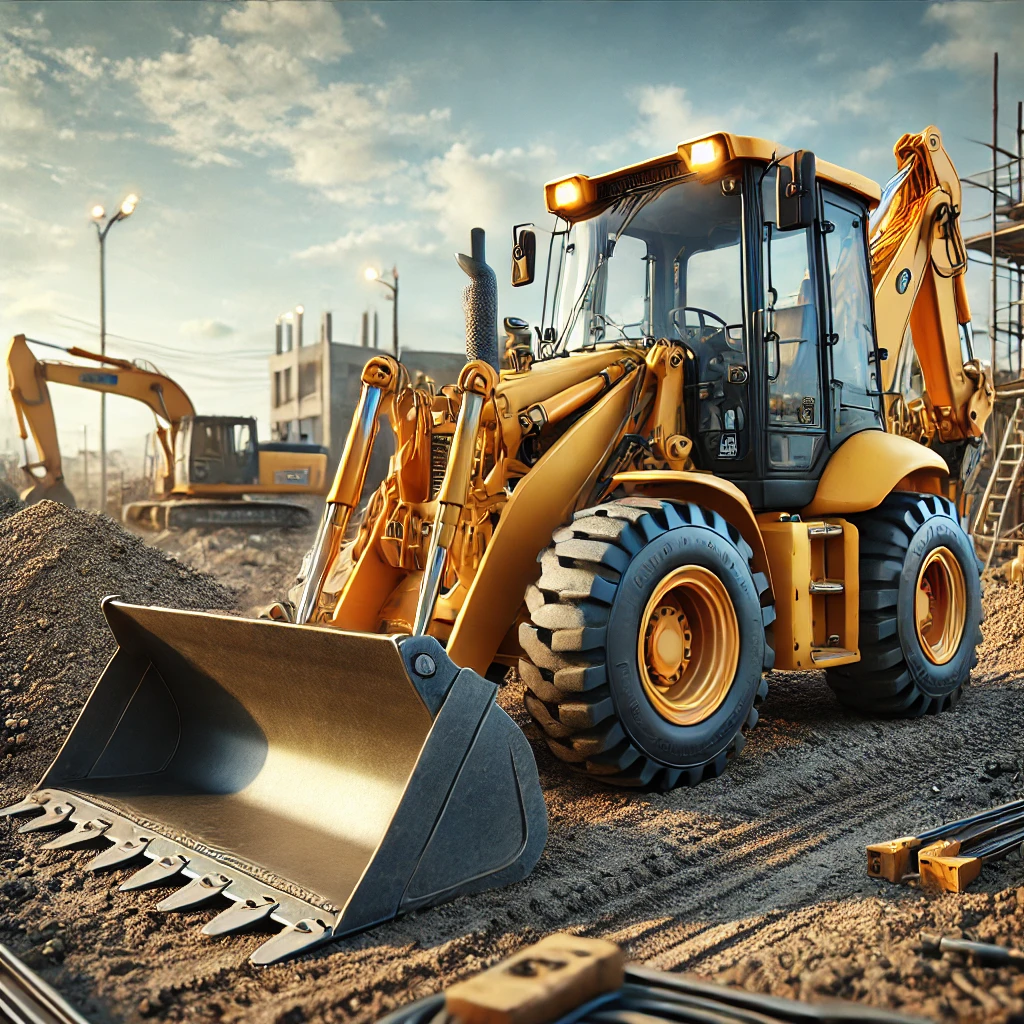
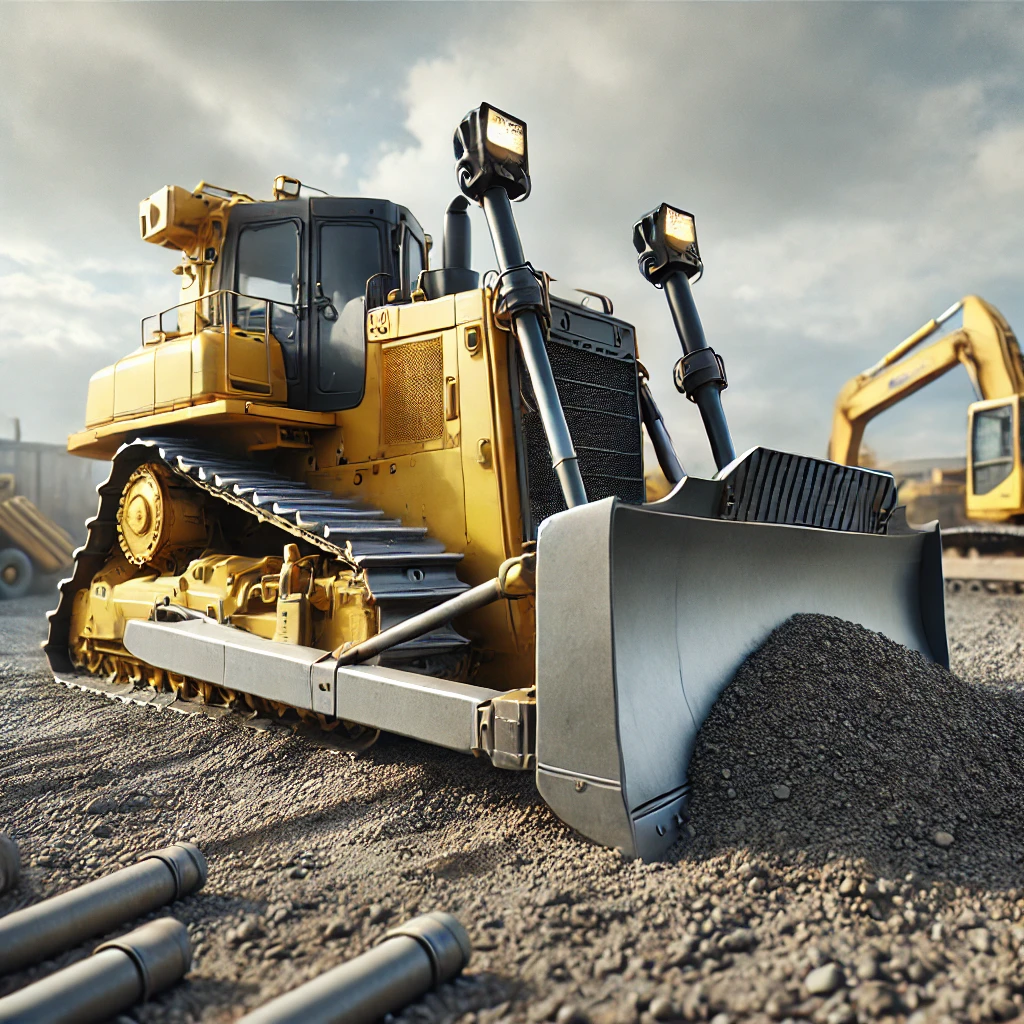
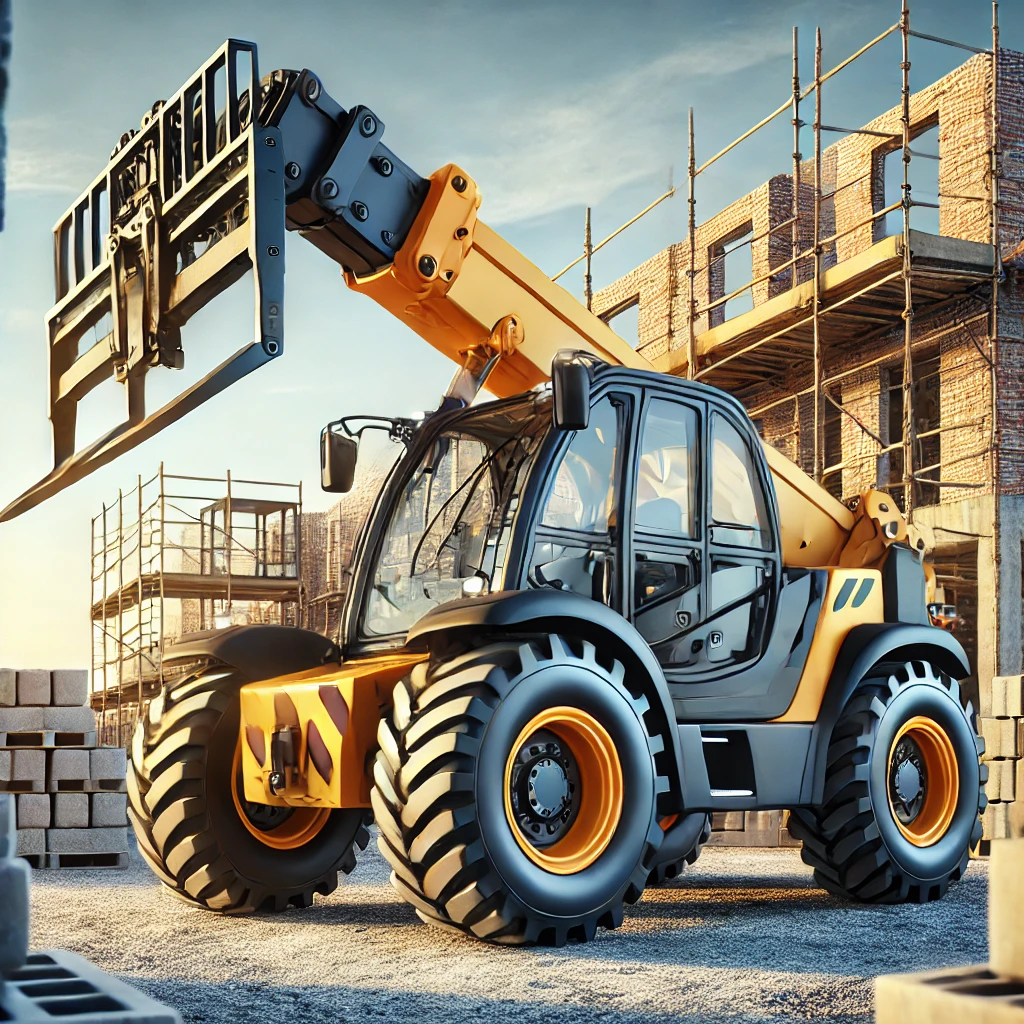
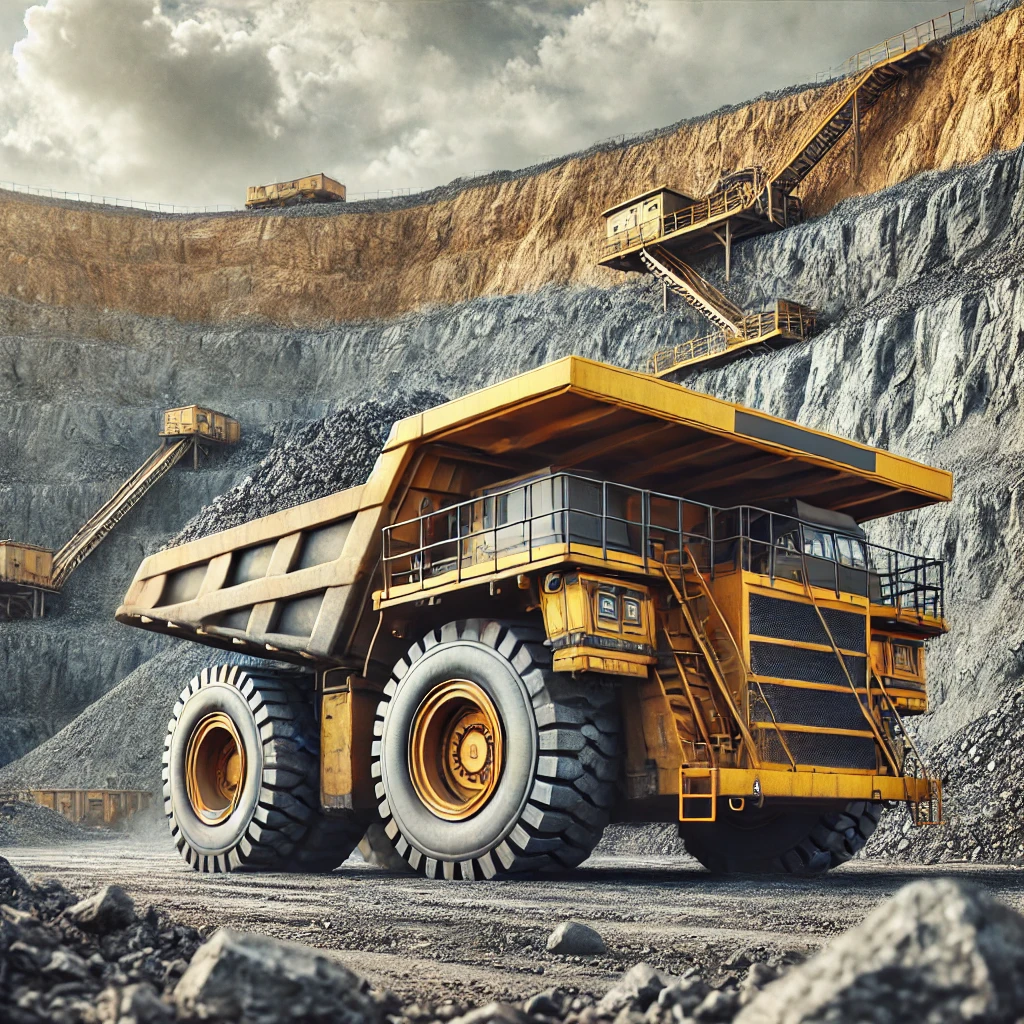
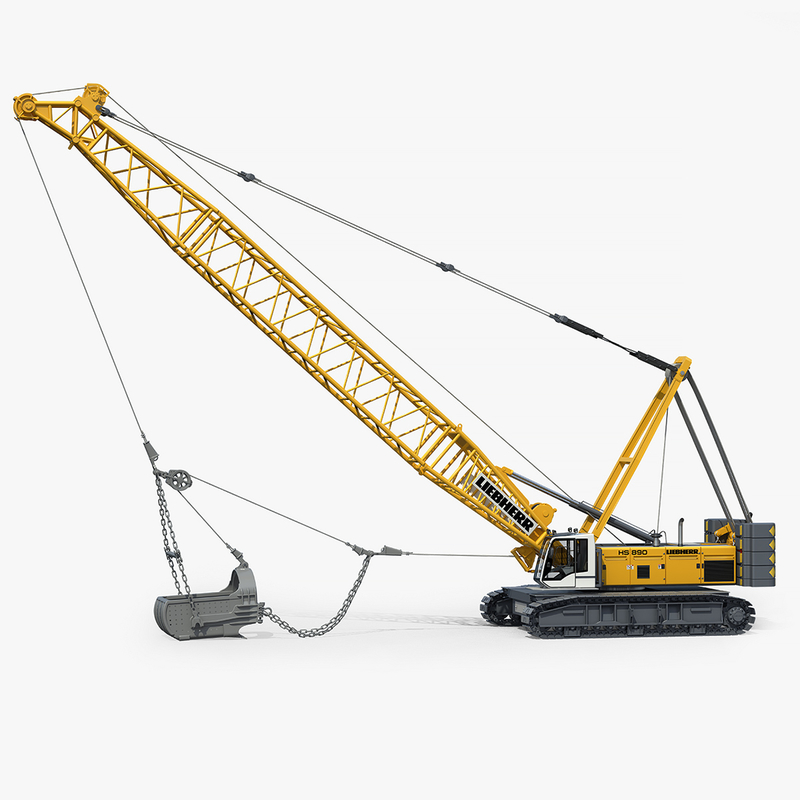
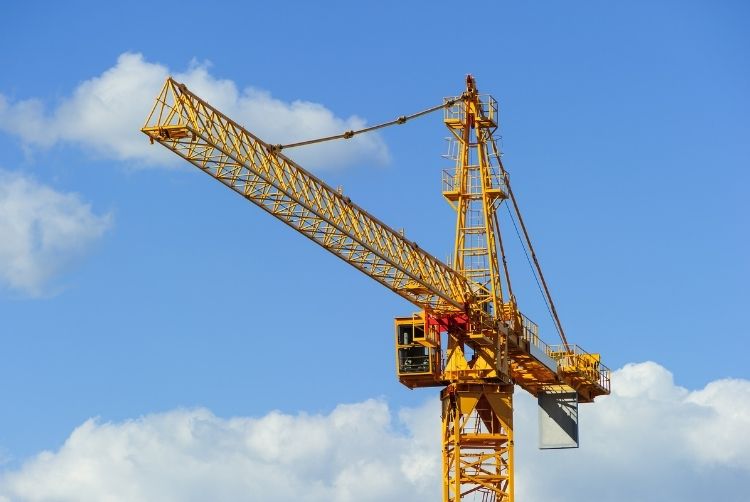
Heavy machinery is called so because these machines are designed to perform tasks that require significant power and strength, typically involving heavy materials or large-scale operations. The term "heavy" refers to their size, weight, and capacity to handle substantial loads, making them essential in industries like construction, mining, and manufacturing. Examples include excavators, bulldozers, and cranes, all of which are built to withstand tough working conditions and heavy usage.
Heavy machinery plays a pivotal role in building and maintaining the physical backbone of society. From towering skyscrapers to expansive highways and vital mining operations, these machines enable tasks that are otherwise impossible to achieve with standard equipment. Here’s are the Key Features that set Heavy Machinery apart:
Heavy machinery differs from standard machines in its size, power, durability, and ability to perform specialized tasks. These attributes make it essential for transforming ambitious engineering projects into reality, driving progress across industries worldwide.
The development of heavy machinery has a long history, evolving significantly over time. Here are some key milestones:
Overall, heavy machinery has evolved over thousands of years, shaped by technological advancements and the needs of various industries.
Click here to explore more.Designing heavy machinery is a complex process that involves careful planning of technical, environmental, and safety factors. Engineers must ensure the machinery is robust enough for demanding tasks, energy-efficient, and equipped with advanced safety mechanisms. Explore the considerations involved in designing these powerful machines in our detailed guide.
Heavy equipments can be broadly catagorized into five elements - Implement, Traction, Structure, Power Train and Control/ Information.
Heavy machinery is classified into several groups based on their primary functions, industries, and applications. These categories help standardize and streamline their usage across various sectors like construction, mining, agriculturE, etc.
Click here for detailed information on the groups and various equipments catagorized under them.
Heavy machinery is designed to operate in extreme conditions, where materials with exceptional strength, durability, and resistance to wear and corrosion are critical. The materials used in these machines are carefully selected based on their mechanical properties, alloy compositions, regional standards, and specific applications. Explore the specifications, regional standards, and applications of materials used in heavy machinery.
Here’s an overview of key components, Systems, Modules and sub-systems in heavy machinery, crucial for its operation and functionality.